

Overview
- You will see how to move from just sending files to building a loop that listens and acts.
- You will learn the steps to stop messy experiences and build a team that owns the feedback.
- You will understand how closing the loop on every complaint turns a delivery system into a care system.
Remember when a bill with your name on it felt like the future? It felt personal. Today, that is just the bare minimum.
If you only talk to your customers to ask for money, you are just a line item. They will likely ignore you.
We spend years making our systems fast. We send thousands of files on time. But we often forget the person on the other side. They see a brand that only speaks when it wants something.
This change is about more than new software. It requires an "ears-first" mindset. You must stop talking at people. You need to start listening with them.
Understanding the Concepts: CCM is the "What," CXM is the "Why"
Most big companies treat communication like a logistics problem. They focus on the pipes and the delivery timestamps. But sending a message is not the same as reaching a person. You need to know where one ends and the other begins.
CCM: The Logistics of Sending
CCM handles the mechanics of your brand. It does the heavy lifting for your data. It takes raw information from your systems and puts it into a document. Then it sends that document out at scale.
This system works with numbers and dates. It makes sure 50,000 people get their bills on Tuesday. It tracks if the email arrived. It checks if the link was clicked.
In this world, a "sent" notification equals success. You met your deadline. The information is accurate. The legal team is happy. But this is only half of the story. You sent the file. You still don't know how the customer felt about it.
CXM: A New Way of Thinking
CXM is a more complex system. It is not just about installing new tools. It requires a total mindset change. You must move from tracking files to managing relationships.
CXM looks at the human on the other side of the screen. It uses Voice of the Customer tools to hear the response. CCM cares about the delivery. CXM cares about the reaction.
You might see a high open rate in your reports. But your reports won't show why customers call support right after. You might miss why people leave your brand after a simple policy update.
CXM adds intelligence to your data. It turns a one way blast into a conversation. It helps you understand the mood of your audience.
The Loop: Listening to Action
This process follows a specific loop. It starts with listening. You collect feedback the moment a customer opens your message.
Next, you analyze that feedback. You see if the customer is happy or angry. The final step is closing the loop. You must act on what you heard.
CCM works best during this final step. Your CCM tools take the new insight and send a better message. If a customer is upset, you stop the automated sales emails. You send an apology instead.
CCM sends the signal. CXM processes the feedback. This connection helps your business learn. You move past just sending stuff. You become a brand that actually understands its people.
Why Enterprises Get Stuck in the "Transaction" Phase
Most big companies want to care more. They try to be human. But they often hit a wall. This happens because the right hand does not know what the left hand is doing.
Internal Walls
In a large company, teams live in different rooms. The billing team handles the money. The marketing team handles the ads. The support team fixes the problems. These groups rarely speak to each other.
This creates a mess. The billing team sends a late notice. At the same time, marketing sends a "We love you" gift. The support team is still trying to fix the customer's account. No one is on the same page.
The Frankenstein Experience
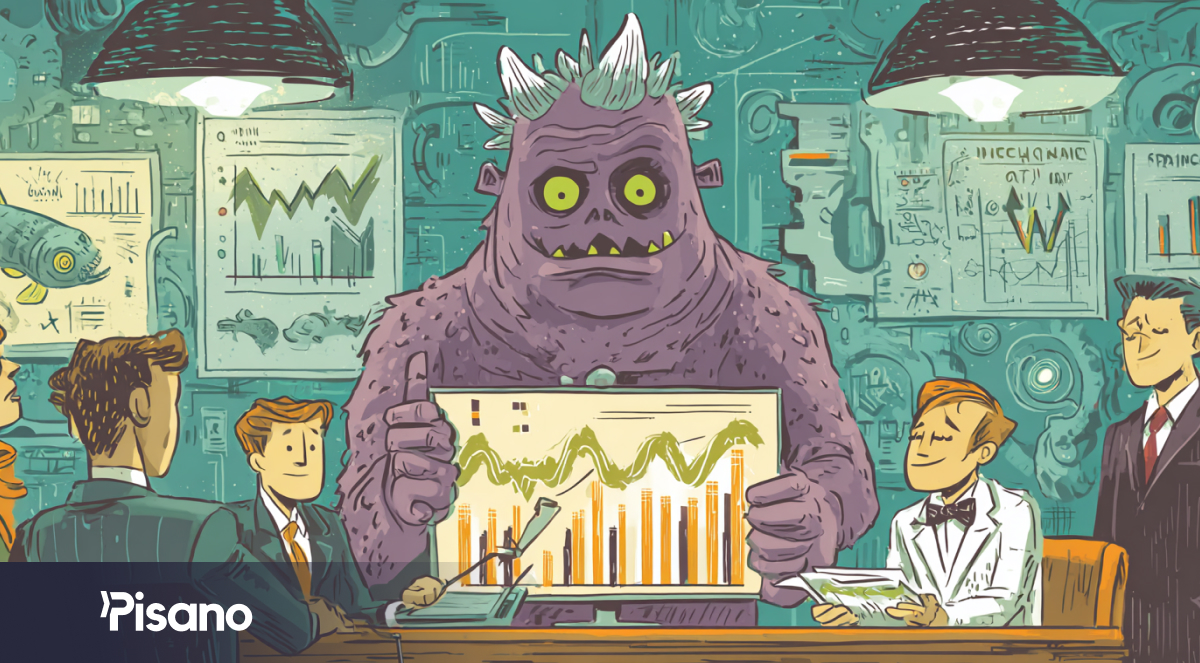
The customer does not see your internal structure. They just see one brand. When your teams do not talk, the experience feels like Frankenstein's monster. It is a bunch of parts stitched together. It does not look right. It does not feel right.
The Amnesia Effect
To the customer, it feels like your brand has amnesia. You ask for their name three times. You ignore a complaint they made ten minutes ago. You treat every interaction like it is the first time you met.
Companies stay in this "transaction" phase because it is easy. It is safe. They focus on their own small piece of the puzzle. They forget to look at the whole person. To move forward, you must break down these walls. You must remember the human behind the data.
Building a VoC-First Infrastructure
You cannot move from a silo to a strategy overnight. You need a road to follow. This road takes you from just sending files to actually hearing your customers.
Step 0: The Wake-Up Call
Before you buy software, you need a change in mindset. This often happens when the pain of staying the same becomes greater than the pain of changing.
You might see a competitor winning because they actually listen to their people. You might see your churn rates climb every month without knowing why. Or maybe you see your brand name getting dragged on public review sites.
This is the moment the business realizes that "business as usual" is a risk. You stop seeing feedback as a "nice to have" and start seeing it as survival. Once the leadership feels this urgency, the organization is finally ready to move.
Step 1: Identify the Blind Spot
Start where you are most blind. Most companies send a welcome email and hope for the best. They have no idea if the customer felt welcomed or confused.
Pick one high-stakes moment. Maybe it is the first invoice. Perhaps it is the renewal notice. This is your starting point. You do not need to fix every department yet. You just need one place to listen.
Step 2: Set Up Your First Listening Post
Now you add a listening post. This is your first piece of infrastructure. You ask one simple question at the exact moment the customer interacts with you.
Do not wait for a month to send a survey. Ask right now. This turns a static document into a source of data. You are no longer just sending a message. You are gathering the reason behind the reaction.
Step 3: Form Your XM Team
Listening is only half the battle. You need people to own this data. This is the moment you form your first Experience Management (XM) team.
This team does not focus on delivery rates. They look at the human feedback. They bridge the gap between the billing department and the customer. They ensure the feedback does not sit in a spreadsheet.
Step 4: Prepare for the First Analysis
Once you have data, you must understand it. Your team looks for patterns in the feedback. Why are people frustrated on page two of the bill? Why do they ignore the renewal link?
By completing these steps, your organization has finally found its voice. You have the tools and the talent to stop guessing and start knowing. But identifying a problem is just the beginning. To reach the top, you need to understand where you are on the broader map of experience management maturity.
Mapping Your Maturity: Where Are You?

We just walked across the bridge from a traditional mindset to one focused on the customer. But how do you know if you are actually making progress? Every enterprise moves at a different speed. You need to know your current location before you can plan your next move.
Level 1: The Broadcast Phase (CCM Only)
At this level, you are a one-way street. You send messages out, but nothing comes back in. Your focus is entirely on the "What." You track delivery rates and open rates, but you have no idea how the customer feels.
This is the "batch-and-blast" stage. You treat every customer exactly the same. Your goal is simply to get the job done without any errors. If this is where you are, your next goal is to start asking questions.
Level 2: The Reactive Phase
At Level 2, you have started to listen, but the wires aren't connected yet. You collect feedback. You might even have a dashboard. But that feedback lives in a silo.
The billing team sees the complaints, but the communications team never hears about them. You are reacting to problems after they happen. You have the "ears," but the "brain" isn't telling the "hands" what to do. To excel here, you must start sharing that data across departments.
Level 3: The Relational Phase (CXM)
This is where you want to be. Feedback is no longer just a report; it is a trigger. If a customer gives you a low score on a support call, your system knows it immediately.
At this level, you use feedback to change how you talk to people. You pause marketing emails for frustrated customers. You send personalized follow-ups based on their specific mood. You have built "listening muscles" that help you react in real time.
The Journey is a Marathon
You do not reach Level 3 overnight. It is a process of building one muscle at a time. Do not try to boil the ocean. Start by moving from Level 1 to Level 2 in a single department.
Once you see success in one area, the rest of the company will want to follow. The goal isn't just to be "better." The goal is to be a brand that remembers its customers and treats them like individuals.
From Static Templates to Dynamic Conversations

Once you find your place on the map, you can start to change your voice. You move away from rigid scripts and move into real interactions.
The Limit of Static Templates
Most companies use static templates. These are pre-set messages that look the same for everyone. You just swap out a name or a policy number.
This process is efficient for the company. It is cold for the customer. A template cannot feel. It cannot sense if a person is happy or sad. It just sends the same words to every person regardless of their situation.
Introducing Situational Personalization
CXM changes the rules. It uses what we call Situational Personalization. This means your message changes based on the customer’s current situation. You do not just use their name. You use their mood.
Voice of the Customer (VoC) data provides this context. If a customer just gave you a low score on a support call, the system knows. It does not treat them like a stranger. It treats them like a person who is currently upset.
Using the "Pause" Button
Imagine a customer who just had a terrible experience with your service. Two hours later, they get a cheery marketing email about a new sale. This feels like a slap in the face. It shows you are not paying attention.
CXM provides the power to pause or pivot. If the data shows a customer is unhappy, you stop the automated sales pitch. You switch to a helpful tone instead. You wait until you fix the problem before you try to sell again. This is how you treat a person like a person.
Closing the Loop (The Real ROI of CXM)

Talking to a person based on their mood is a great start. But you must also fix the problem that put them in that mood.
Feedback is Not a Dashboard
Many companies collect data and let it sit. They look at charts once a week. They talk about trends in meetings.
This does not help the customer. A chart does not solve a problem. You must act on what you learn. Feedback is a call to action. It is not just a metric to track.
What it Means to Close the Loop
Real CXM means you finish the conversation. If a customer complains, your system notices immediately. It triggers a task for a real person.
That person calls the customer back to fix the issue. You show the customer that their voice has power. This is the moment where listening becomes profit. It turns a frustrated user into a loyal fan.
Where CCM Meets Care
This is the final connection point. Your delivery system works with your care team. CCM sends the apology or the resolution document. It handles the message.
CXM handles the empathy and the timing. This move proves to the customer that you actually care. It stops them from leaving your brand. That is the true return on your investment.
Conclusion: Your Journey Starts with One Question
Moving from sending files to managing feelings looks hard. But you do not need to fix everything today. You do not need a five-year plan to start. You just need to ask one better question.
Start by looking at your next document. Ask yourself what the person holding it is thinking. Are they confused? Are they worried?
CCM is about the paper or the file. CXM is about the human holding it. Once you focus on the human, everything else starts to fall into place.
Pisano helps you bridge this gap. We provide the tools to listen at every touchpoint. We help you turn those voices into real business results. You do not have to walk this road alone.